
The Radiologists Your Doctor Trusts
Meet our Radiologists:
Meet our Advanced Practice Providers
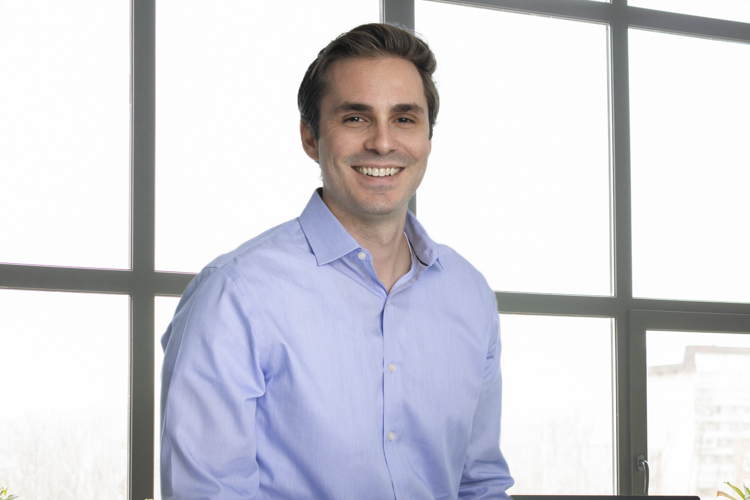
Dr. BRADLEY BERNARD
Medical School: University of Texas Medical Branch
Internship: University of Texas Medical Branch
Residency: Baylor University Medical Center
Fellowship: University of South Florida Morsani College of Medicine
Specialties: Interventional Radiology
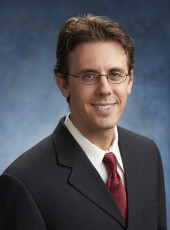
Dr. James Bostwick
Medical School: University of Miami
Internship: Orlando Regional Medical Center
Residency: John Hopkins University
Fellowship: Barrow Neurological Institute
Board Certification: American Board of Radiology-Diagnostic & Neuroradiology
Specialties: Neuroradiology
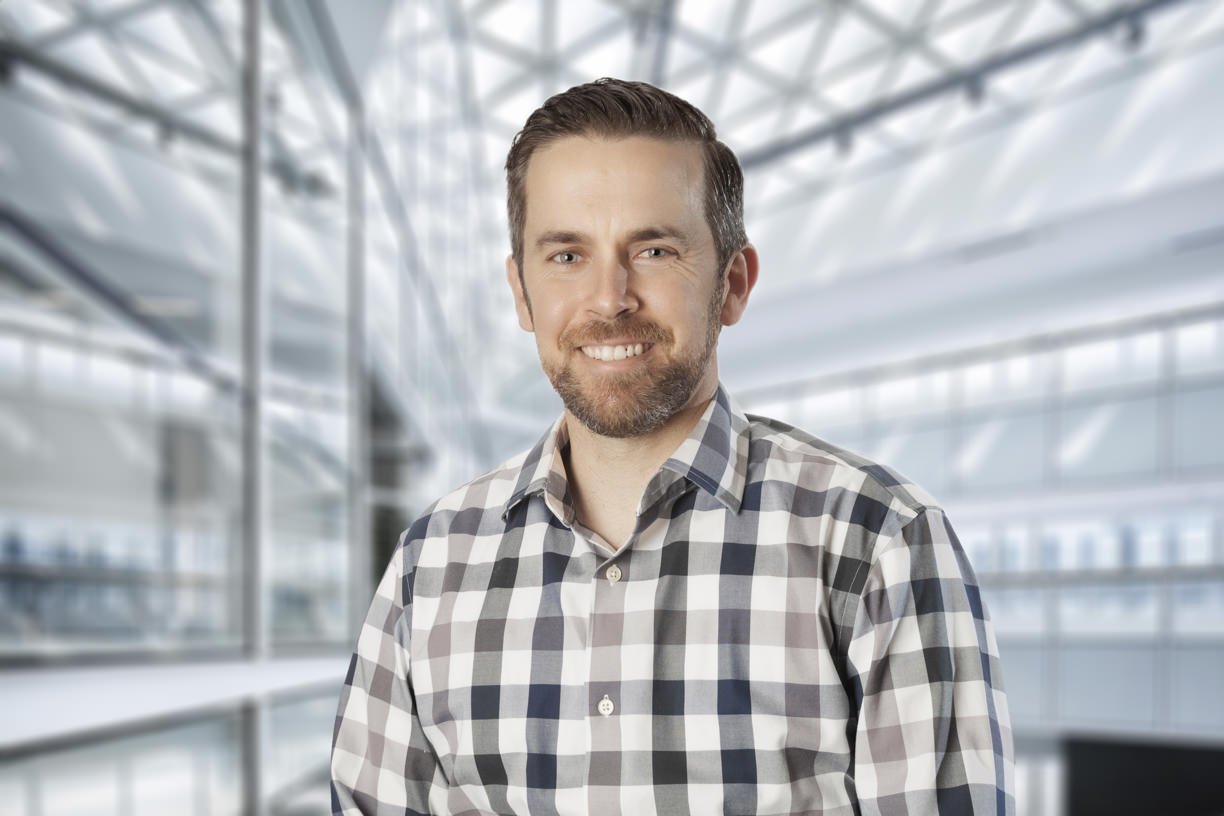
Dr. Chase Campbell
Medical School: Baylor College of Medicine
Internship: Baylor College of Medicine
Residency: Los Angeles County & University of Southern California Medical Center
Fellowship: Los Angeles County & University of Southern California Medical Center
Board Certification: American Board of Radiology-Diagnostic Radiology
Specialties: Vascular & Interventional Radiology
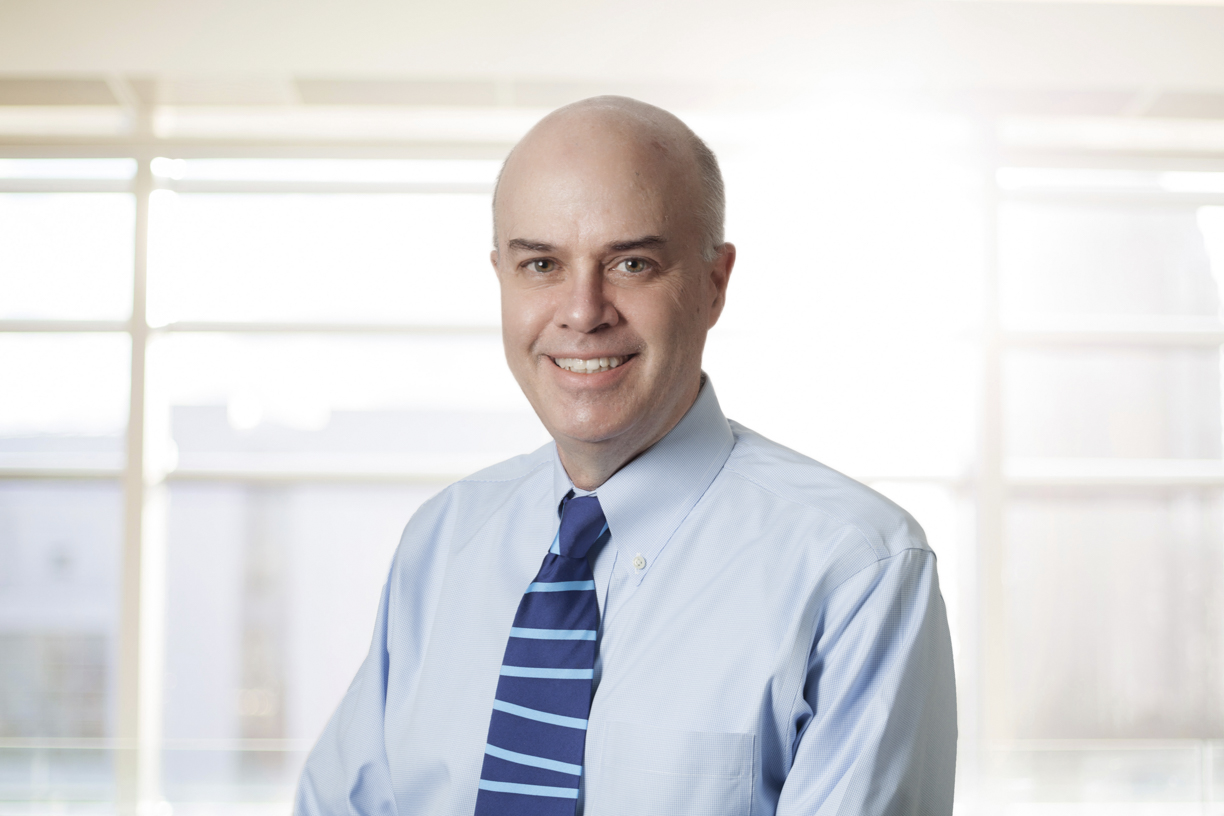
Dr. Paul Connaughton
Medical School: Medical College of Wisconsin
Internship: Resurrection Hospital
Residency: John Hopkins University
Fellowship: Mallinckrodt Institute of Radiology
Board Certification: American Board of Radiology- Diagnostic & Vascular & Interventional Radiology
Specialties: Vascular & Interventional Radiology
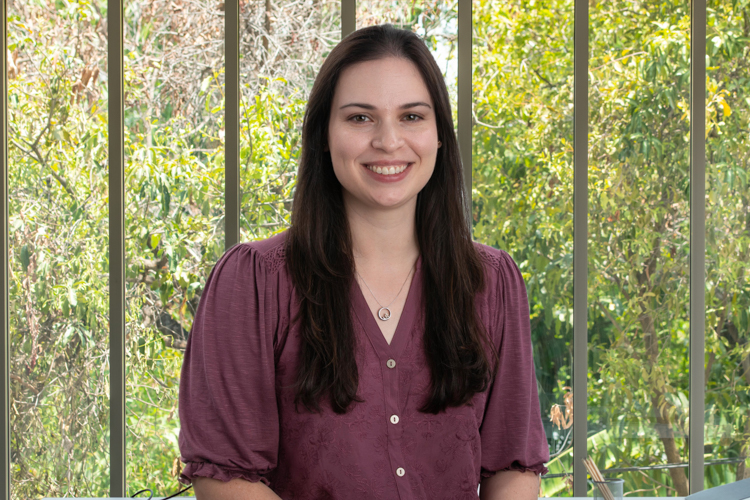
Dr. Daniela Cunha
Medical School: Universidade Federal de Pernambuco (Recife, Brazil)
Internship: University of Iowa Hospital and Clinics
Residency: University of Iowa Hospital and Clinics
Fellowship: University of Virginia
Specialties: Breast Imaging
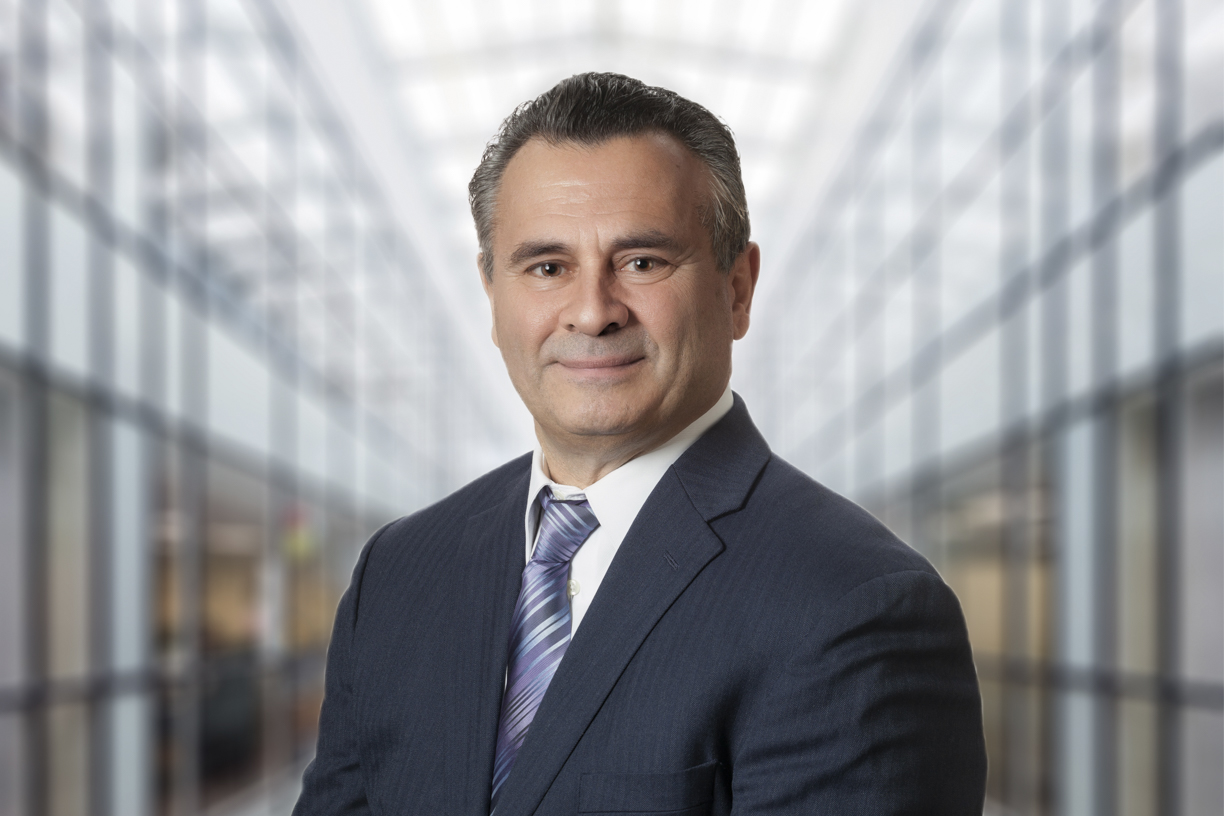
Dr. Natalio Damien
Medical School: Medical College of Wisconsin
Residency: Winthrop University Hospital
Fellowship: Long Island Jewish Medical Center
Board Certification: American Board of Radiology-Diagnostic Radiology
Specialties: Cross-Sectional Imaging
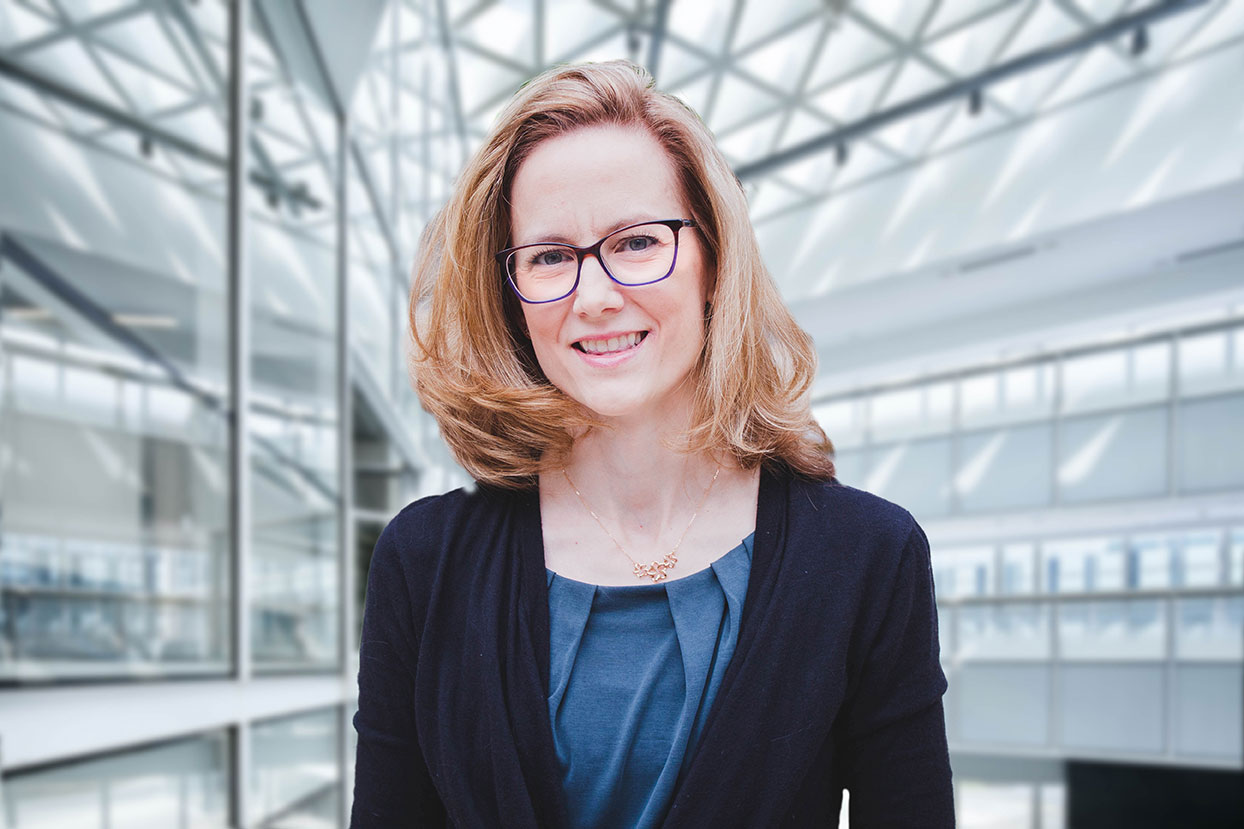
Dr. Kristen Darden
Medical School: Oklahoma State University-College of Osteopathic Medicine
Internship: University of Illinois College of Medicine
Residency: University of Illinois College of Medicine
Fellowship: Loma Linda University
Board Certification: American Board of Radiology-Diagnostic & Interventional Radiology
Specialties: Vascular & Interventional Radiology

Dr. Bennett Davis
Medical School: Tulane University School of Medicine
Internship: Naval Hospital Jacksonville
Residency: Naval Medical Center Portsmouth
Fellowship: University of California Los Angeles
Board Certification: American Board of Radiology
Specialties: Musculoskeletal Radiology

Dr. Oliver Edwards
Medical School: University Texas Medical Branch
Internship: Virginia Mason Medical Center
Residency: University of Utah Health Science Center
Fellowship: University of Utah Health Science Center
Board Certification: American Board of Radiology-Diagnostic Radiology
Specialties: Nuclear Radiology
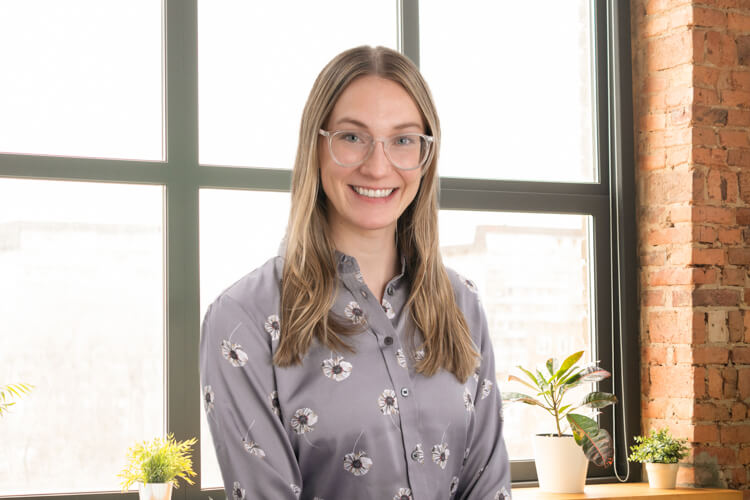
Dr. Savannah Fletcher
Medical School: University of Arkansas for Medical Sciences
Internship: SCL St. Joseph Hospital
Fellowship: University of Kentucky College of Medicine
Integrated Interventional Radiology Residency: UCLA Medical Center
Specialties: Interventional Radiology
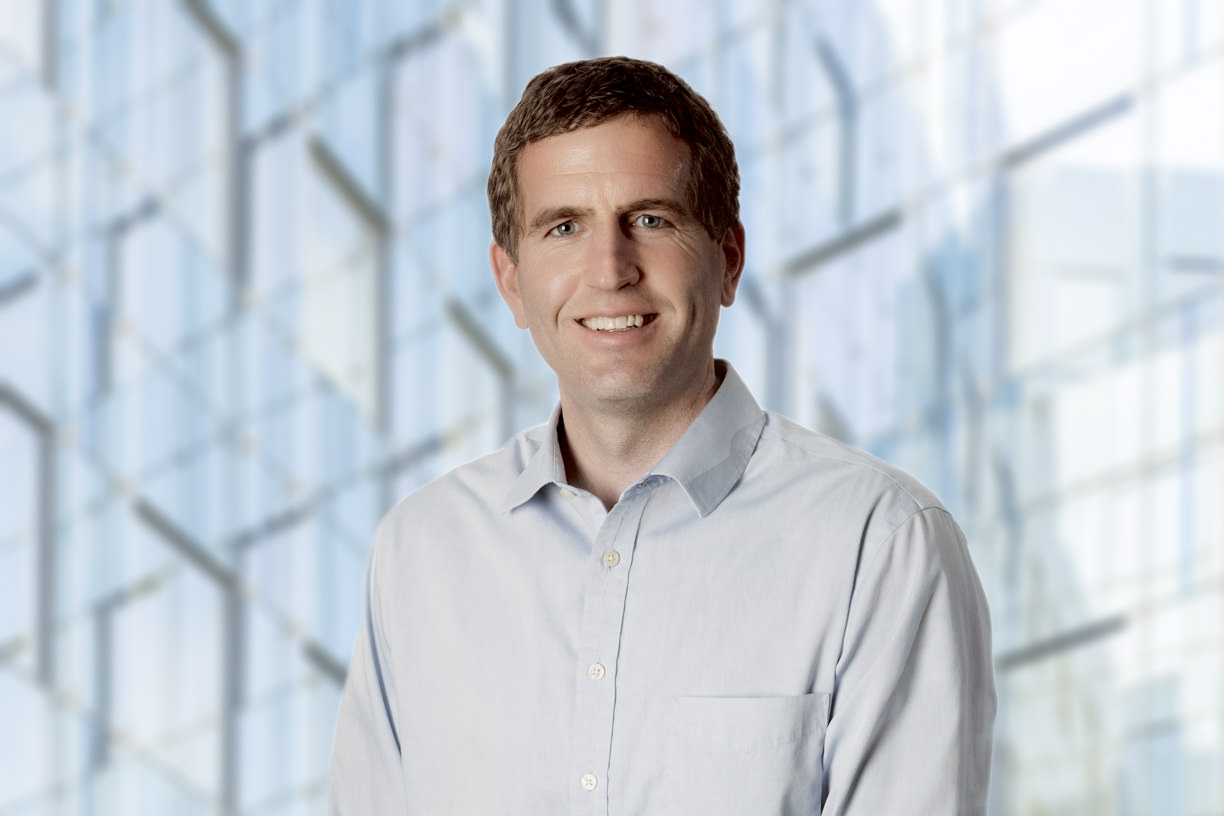
Dr. Adam Foster
Medical School: Midwestern University Arizona College of Osteopathic Medicine
Internship: Oklahoma State University Medical Center
Residency: Oklahoma State University Medical Center
Fellowship: University of New Mexico
Board Certification: American Board of Radiology-Diagnostic Radiology
Specialties: Musculoskeletal Radiology

Dr. Kelly Fountain
Medical School: University of South Alabama
Internship: University of South Alabama
Residency: University of South Alabama
Fellowship: University of Kansas
Board Certification: American Board of Radiology
Specialties: Breast Imaging
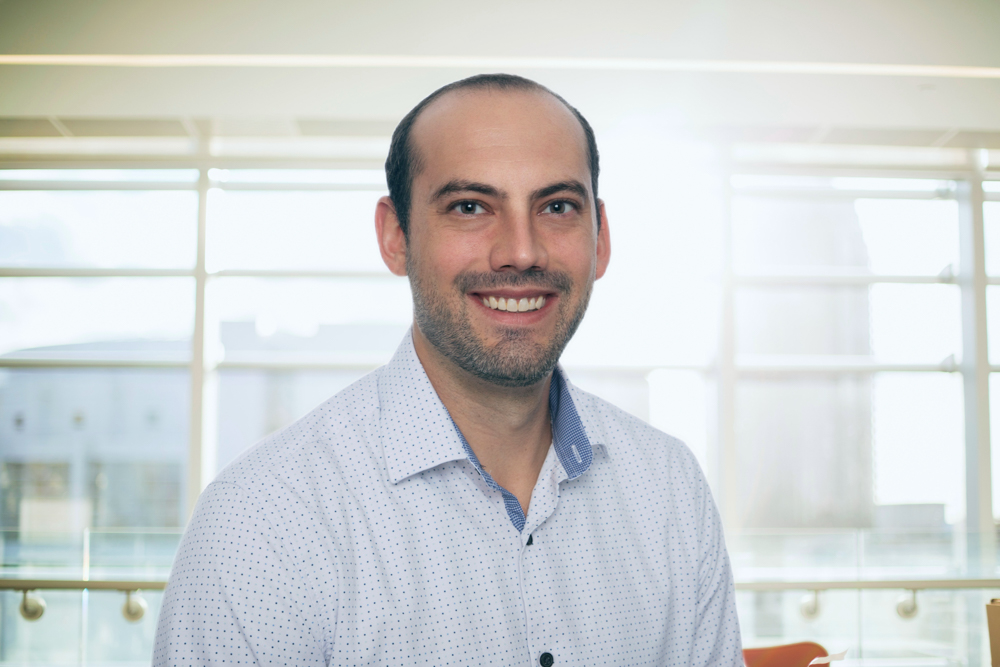
Dr. Matthew Goodstein
Medical School: Rocky Vista University College of Osteopathic Medicine
Internship: Nassau University Medical Center
Residency: University of New Mexico
Fellowship: University of New Mexico
Specialties: Musculoskeletal Radiology

Dr. Jeffrey Gronkiewicz
Medical School: University of Miami Miller School of Medicine
Internship: Jackson Memorial Hospital
Residency: Loyola University Medical Center
Fellowship: University of Iowa
Board Certification: American Board of Radiology-Diagnostic Radiology
Specialties: Musculoskeletal Radiology

Sophia Hackney, PA-C
Education:
Master’s in Physician’s Assistant Studies. Oklahoma City University
Bachelor’s in Cell and Molecular Biology, Oklahoma City University
Specialties: Interventional Radiology

Dr. Tyson Hadduck
Medical School: University of Michigan Medical School
Internship: Arrow Head Regional Medical Center
Residency: UCLA Medical Center
Fellowship: UCLA Medical Center
Board Certification: American Board of Radiology-Diagnostic Radiology
Specialties: Vascular & Interventional Radiology
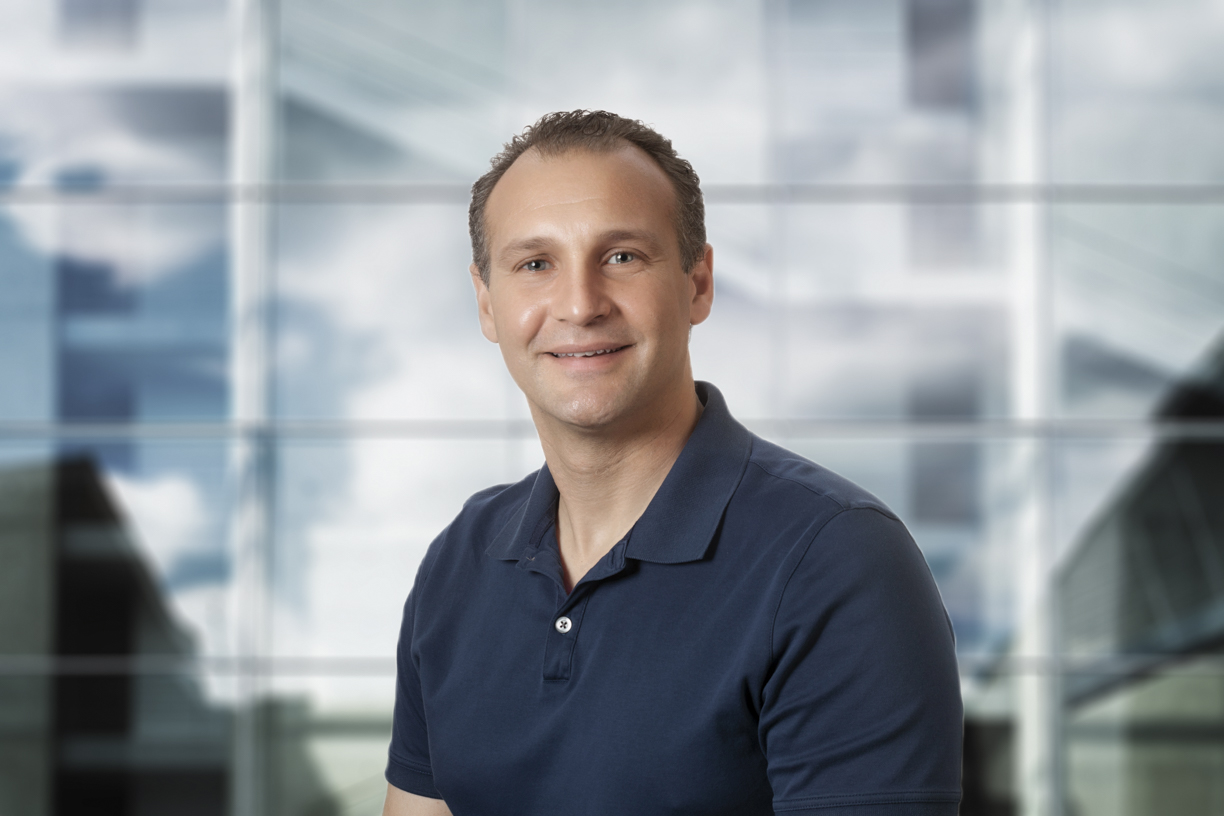
Dr. Omar Hajibrahim
Medical School: University of Toledo Health Science
Internship: University of Florida
Residency: University of Florida
Fellowship: Malcom Randall VAMC and UF
Board Certification: American Board of Radiology-Diagnostic Radiology
Specialties: Cardiothoracic Imaging
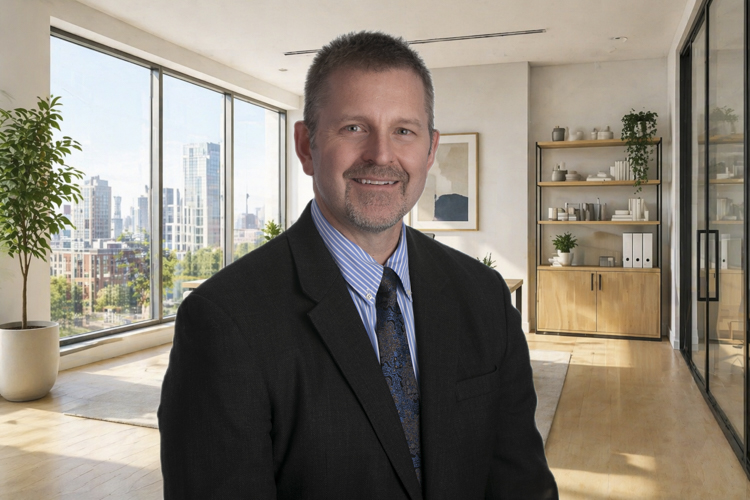
Dr. Peter Hanson
Medical School: University of Iowa College of Medicine
Internship: LDS Hospital
Residency: University of Utah
Fellowship: University of Pennsylvania
Board Certification: American Board of Radiology-Diagnostic Radiology
Specialties: Vascular & Interventional Radiology

Dr. Karim Hruska
Medical School: University of California, Davis
Internship: Santa Clara Kaiser Permanente
Residency: Tufts University School of Medicine
Fellowship: Harvard Medical School, Children’s Hospital of Boston
Board Certification: American Board of Radiology-Diagnostic & Pediatric Radiology
Specialties: Pediatric Radiology

Dr. Steven Hughes
Medical School: University of Missouri School of Medicine
Internship: University of Missouri School of Medicine
Residency: Ohio State University
Fellowship: University of Wisconsin
Board Certification: American Board of Radiology-Diagnostic Radiology
Specialties: Neuroradiology
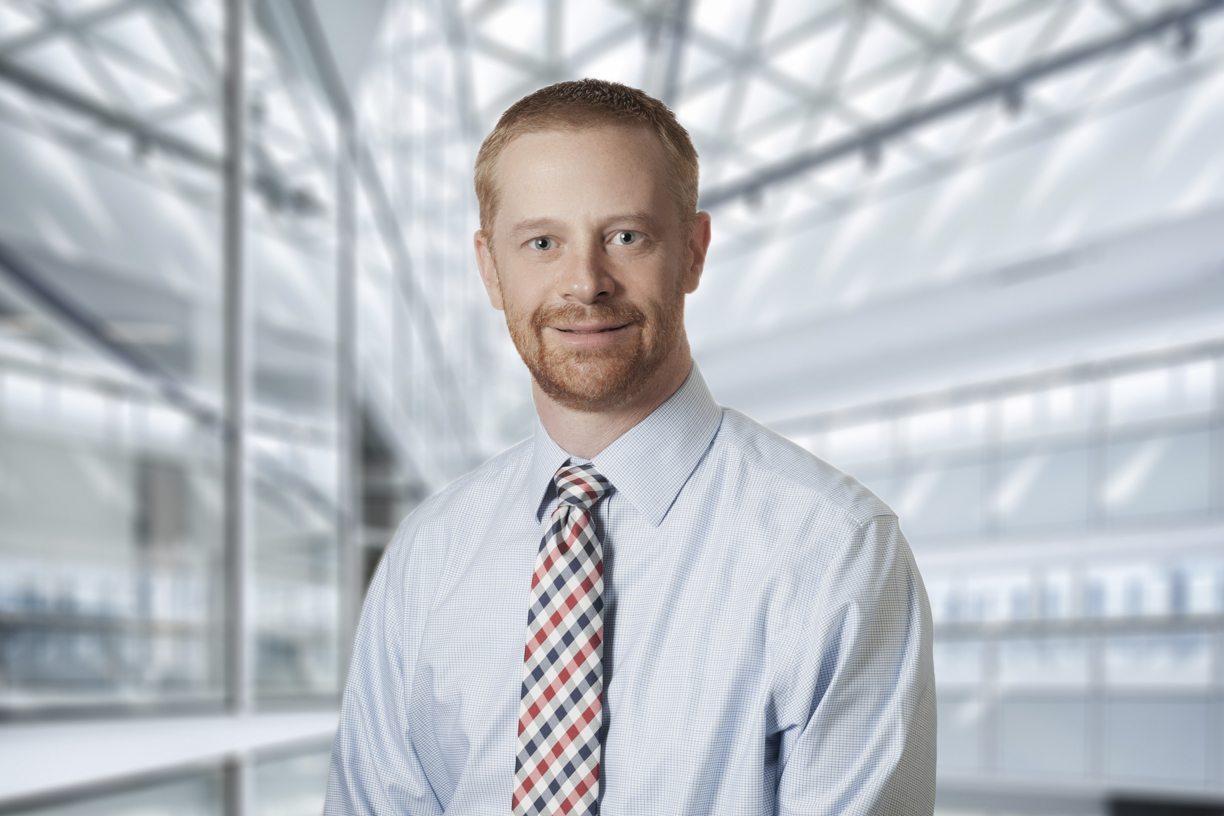
Dr. Brett Huston
Medical School: SUNY Downstate Medical Center-College of Medicine
Internship: Lenox Hill Hospital
Residency: Stony Brook Medicine
Fellowship: Weill Cornell Medicine & Memorial Sloan Kettering Cancer Center
Board Certification: American Board of Radiology-Diagnostic & Neuroradiology
Specialties: Neuroradiology
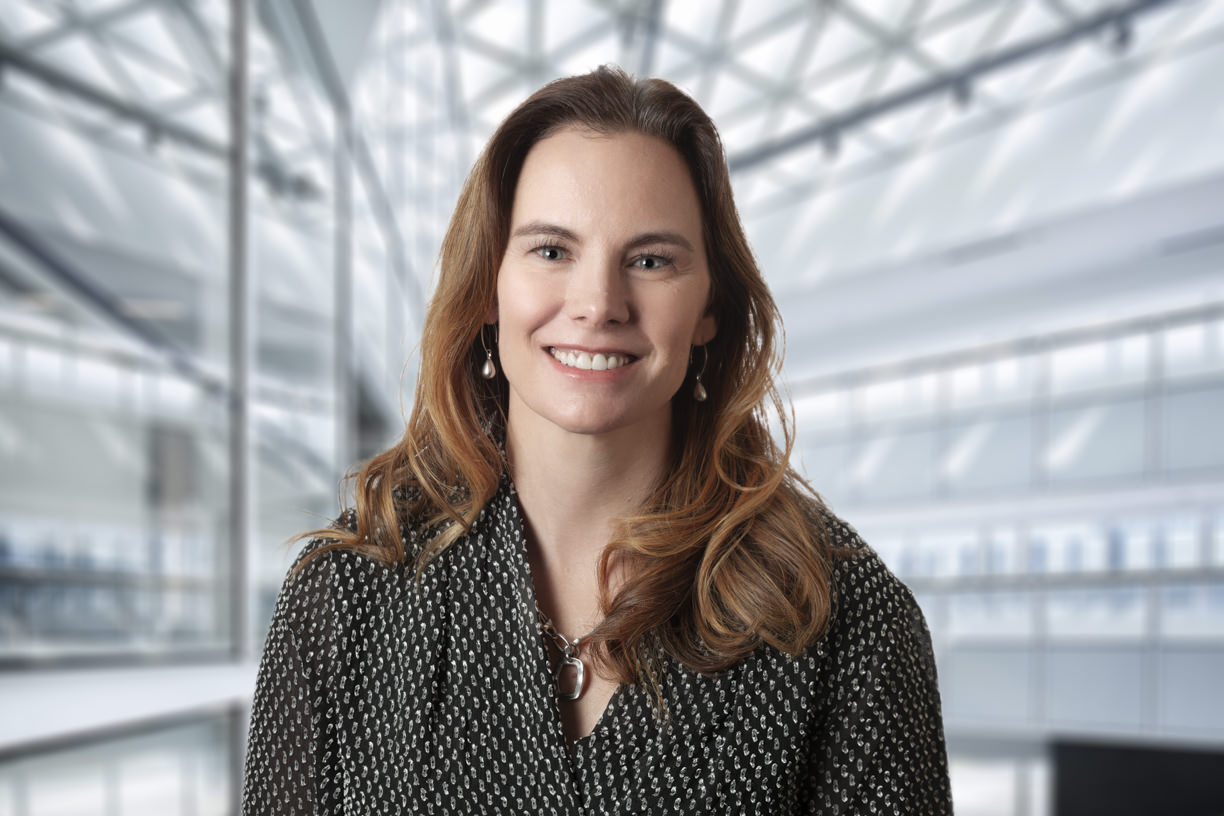
Dr. Alisa Johnson
Medical School: University of Vermont School of Medicine
Internship: Fletcher Allen Healthcare University of Vermont
Residency: Fletcher Allen Healthcare University of Vermont
Fellowship: University of Wisconsin School of Medicine & Public Health
Board Certification: American Board of Radiology-Diagnostic Radiology
Specialties: Breast Imaging

Denise Knight, RPA
Education:
2005 – RPA – Weber State University, Ogden, UT
1987 – BS- Minot State University, Minot, ND
1984 – RT – University of North Dakota, Grand Forks, ND
Board Certification:
American Registry of Radiologic Technologists (ARRT)
Certification Board for Radiology Practitioner
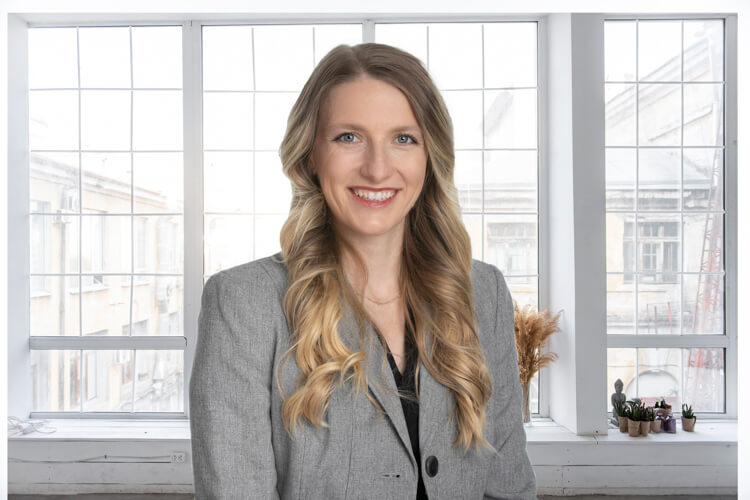
Keeley Lantrip, PA-C
Education:
Master’s in Physician’s Assistant Studies, Oklahoma City University
Bachelor’s in Biomedical Science, Oklahoma City University
Specialties: Interventional Radiology

Dr. Craig Lastine
Medical School: Loma Linda University
Residency: Family Practice: University of Wyoming at Cheyenne Family Practice Program and Radiology: University of Oklahoma Health Sciences Center
Fellowship: MSK University of Colorado Health Sciences Center
Board Certification: American Board of Radiology
Additional Expertise: Sports Radiology
Specialties: Musculoskeletal Radiology

Dr. Matthew Lowery
Medical School: University of Texas Southwestern Medical Center
Internship: Fletcher Allen Healthcare University of Vermont
Residency: Indiana University Medial Center
Fellowship: Indiana University Medical Center
Board Certification: American Board of Radiology-Diagnostic Radiology
Specialties: Musculoskeletal Radiology
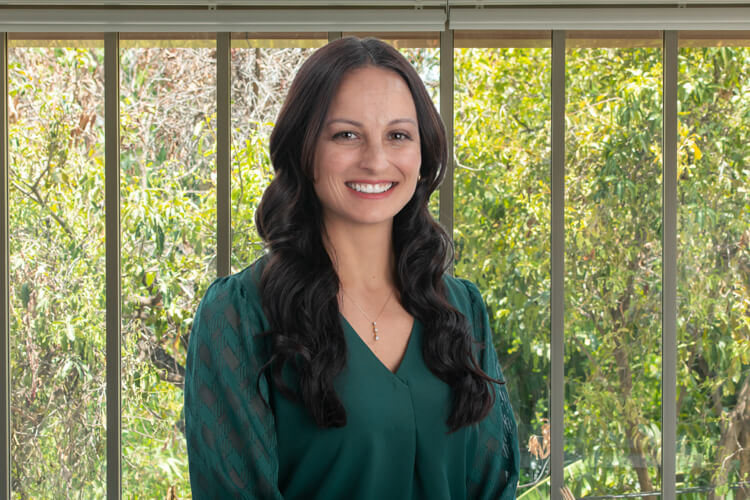
Ashley Major, NP-C
Education:
Master of Science in Nursing: Family Nurse Practitioner, University of Cincinnati
Bachelor of Science: Nursing, Malone University
Specialties: Interventional Radiology

Dr. Nathan Mann
Medical School: Touro University Nevada College of Osteopathic Medicine
Internship: McLaren Oakland Hospital
Residency: Michigan State University
Fellowship: Oregon Health & Sciences University
Board Certification: American Board of Radiology-Diagnostic Radiology
Specialties: Body Imaging
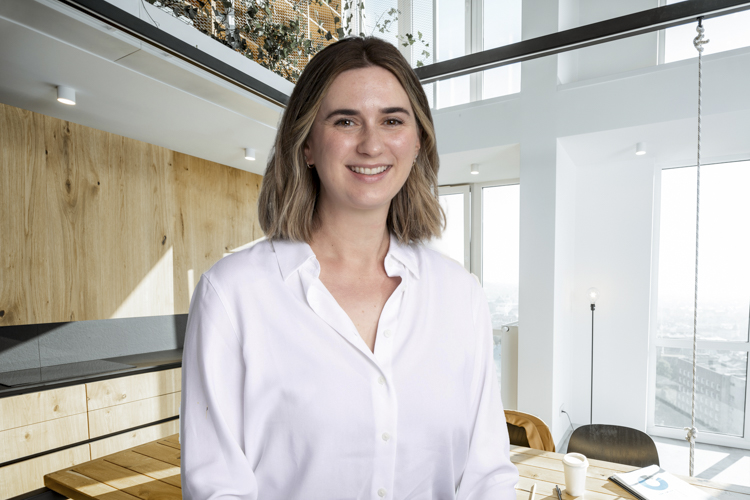
Kara Masterson, NP-C
Education: Master of Science in Nursing: Adult Gerontology Acute Care Nurse Practitioner, University of California, Los Angeles
Bachelor of Science in Nursing: State University of New York at Binghamton
Specialties: Interventional Radiology

Dr. Christopher Metcalf
Medical School: University of South Florida
Internship: Carolinas Medical Center
Residency: University of Oklahoma
Fellowship: University of North Carolina at Chapel Hill
Specialties: Abdominal Imaging
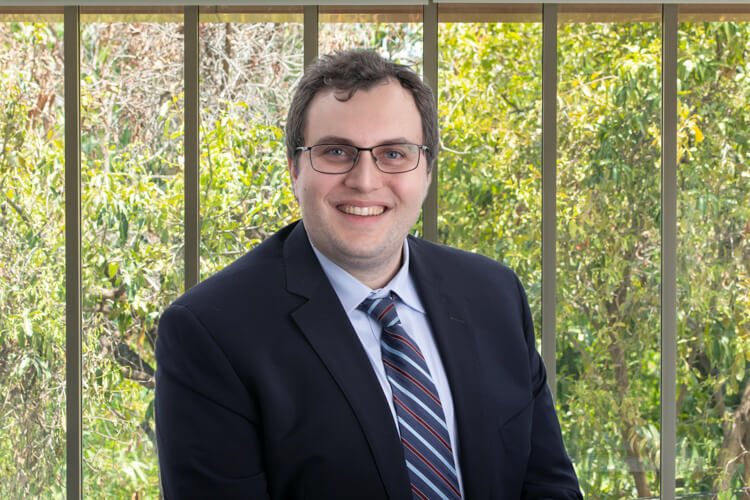
Dr. Philip Panic
Medical School: Tufts University, School of Medicine
Internship: Brigham and Women’s Hospital/Harvard Medical School
Integrated Interventional Radiology Residency: Brigham and Women’s Hospital/Harvard Medical School
Specialties: Interventional Radiology

Dr. Brock Peiffer
Medical School: Kansas City University
Internship: Advocate Lutheran General
Residency: Advocate Illinois Masonic Medical Center
Fellowship: Northshore Hospital
Specialties: Musculoskeletal Radiology
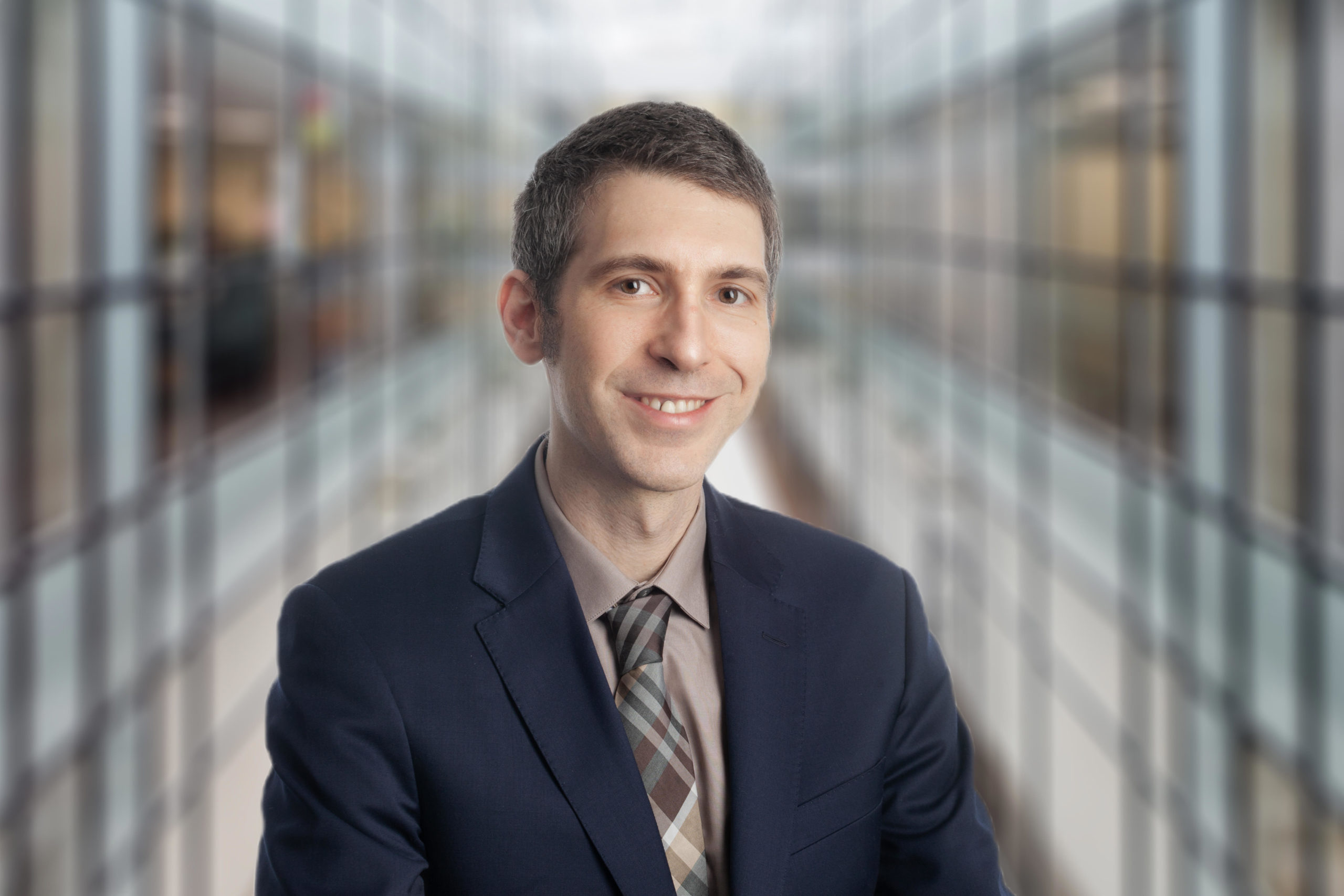
Dr. David S. Raban
Medical School: Wayne State University School of Medicine
Internship: Grand Rapids Medical Education Partners (GRMEP)
Residency: University of Colorado
Fellowship: University of Colorado
Specialties: Neuroradiology
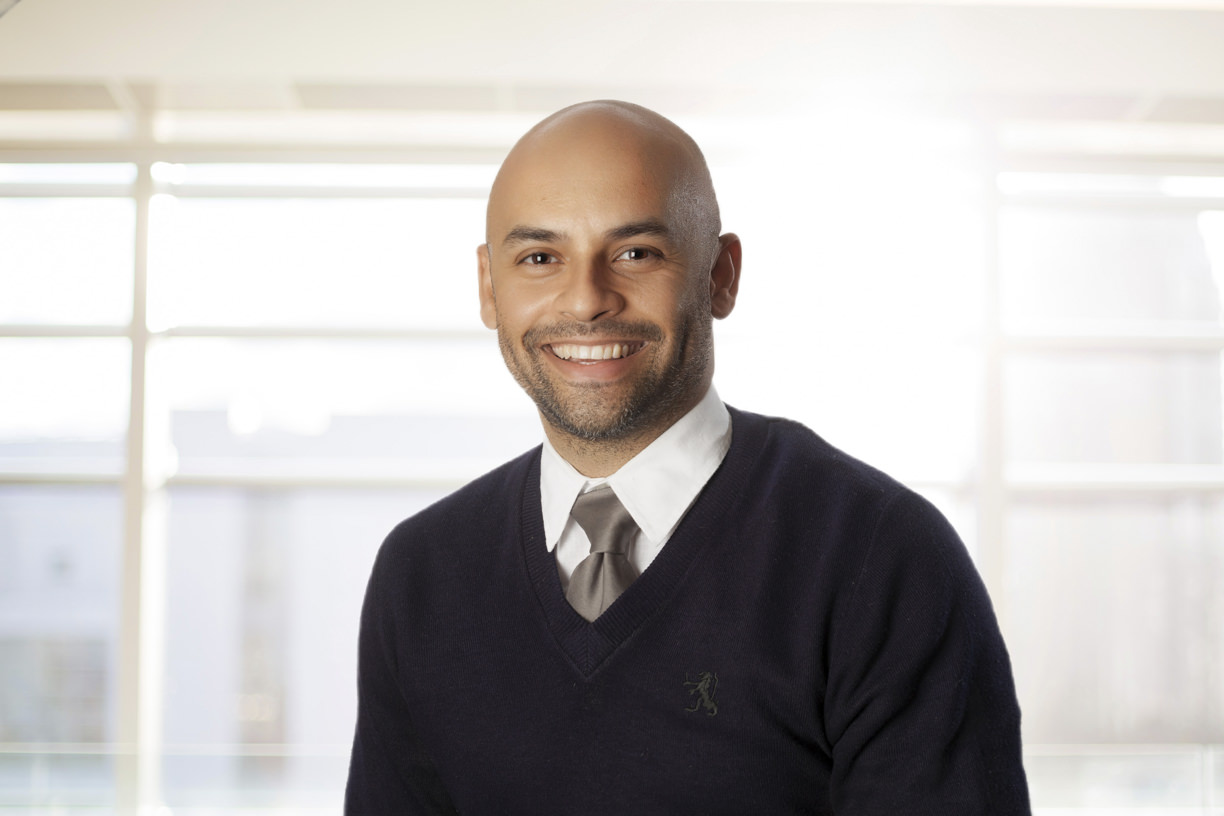
Dr. Kenny Rentas
Medical School: University of Puerto Rico School of Medicine
Residency: University of Missouri @ Kansas City
Fellowship: University of North Carolina at Chapel Hill
Board Certification: American Board of Radiology-Diagnostic and Neuroradiology
Specialties: Musculoskeletal and Neuroradiology

Dr. Tyler Rust
Medical School: Saint Louis University School of Medicine
Internship: San Antonio Uniformed Services Health Education
Residency: San Antonio Uniformed Services Health Education
Fellowship: University of Utah
Board Certification: American Board of Radiology
Specialties: Breast Imaging
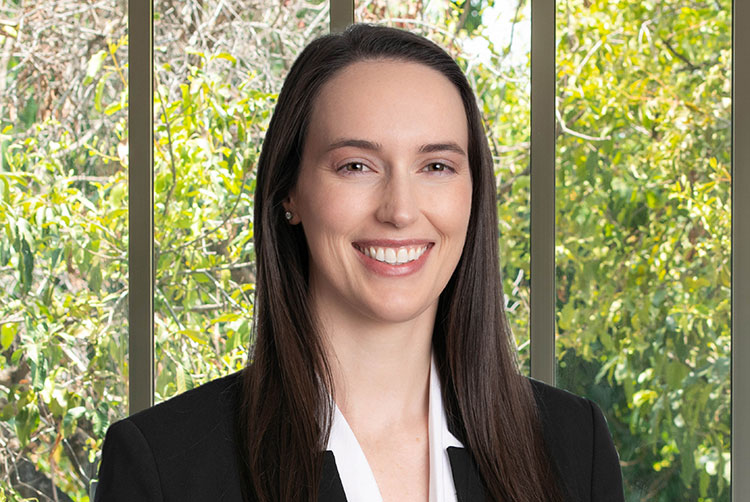
Elizabeth Rutherford, PA-C
Education:
Master’s in Physician’s Assistant Studies, Lipscomb University
Bachelor’s in Biology, Texas A & M University
Specialties: Interventional Radiology
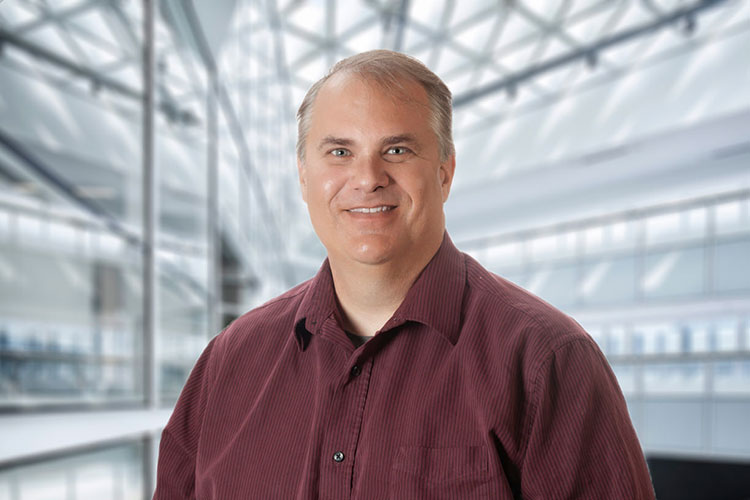
Dr. Michael Starkey
Medical School: University of South Florida
Internship: Brooke Army Medical Center
Residency: San Antonio Uniformed Services
Board Certification: American Board of Radiology-Diagnostic Radiology
Specialties: Emergency Radiology

Brenton Stockwell, PA-C
Education:
Master’s in Physician’s Assistant Studies, Medical College of Georgia
Bachelor’s in Radiologic Science Nuclear Medicine Technology, Medical College of Georgia
Specialties: Interventional Radiology
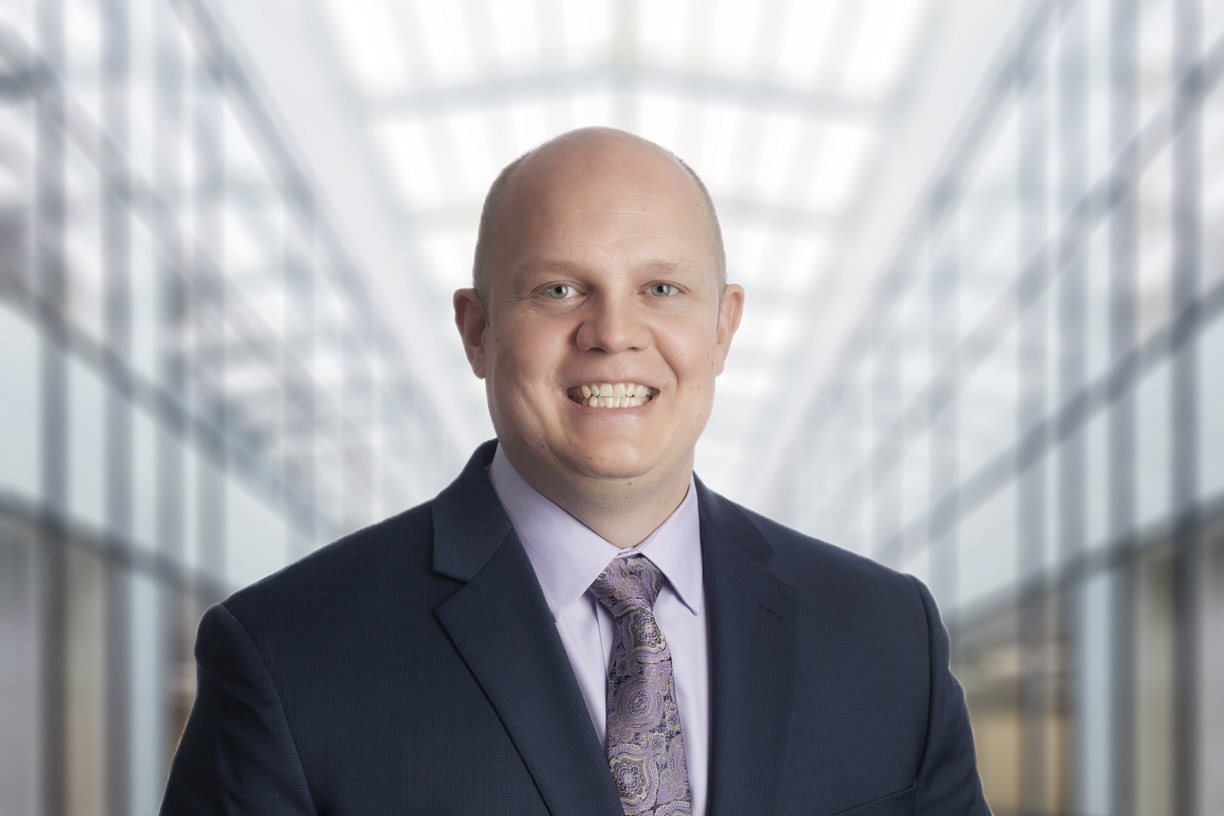
Dr. James Walton
Medical School: University of Missouri School of Medicine
Internship: University of Tennessee
Residency: University of Tennessee
Fellowship: University of Colorado
Board Certification: American Board of Radiology-Diagnostic Radiology
Specialties: Body Imaging

Dr. Brett Young, MD
Medical School: Mayo Clinic College of Medicine
Internship: Carilion Health Systems
Residency: Duke University
Fellowship: Duke University
Board Certification: American College of Radiology, Diagnostic Radiology, & Neuroradiology
Specialties: Neuroradiology
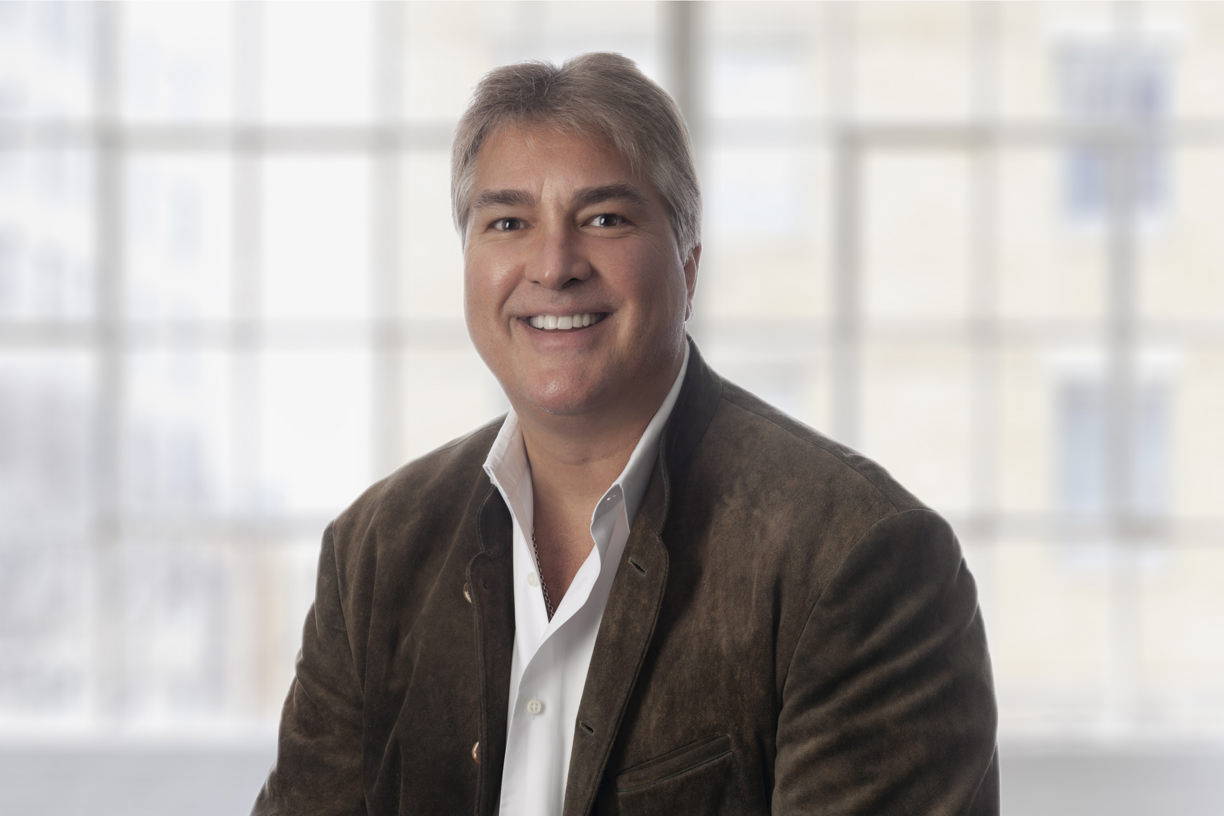
Dr. Werner Ziegler
Medical School: University of Chicago
Internship: Northwestern University Medical Center
Residency: University of California Los Angeles Medical Center
Fellowship: University of California Los Angeles Medical Center
Board Certification: American Board of Radiology-Diagnostic and Vascular Interventional Radiology
Specialties: Cardiovascular Interventional Radiology